
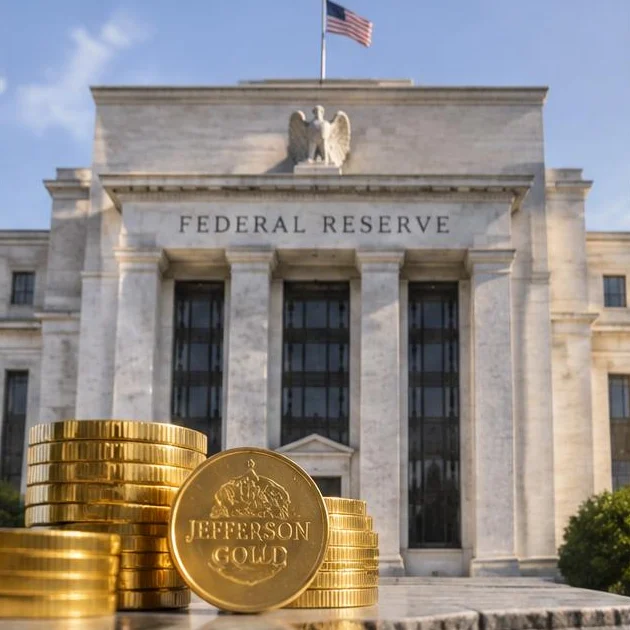
The overnight market debate was not only about precious metals. It was also about whether inflation pressure will require tighter monetary policy. The Federal Reserve’s November 18 release of October meeting minutes offers a primary-source view of that debate, including officials’ concerns about AI-related investment and financial vulnerability.
What the Fed actually released
The document records the October 27-28 meeting. Almost all participants judged further rate increases likely appropriate under their baseline outlooks. A couple noted that a move larger than 25 basis points could warrant consideration at the next meeting if inflation data were unfavorable. Those are conditional views, not a completed future vote. [1]
The committee maintained its target range at 3.75% to 4% at the October meeting. Reporting on the newly released minutes should not turn a discussion of possible tightening into a claim that the Fed raised rates overnight. [1]
Why AI entered the inflation discussion
Many participants viewed the AI buildout as a material source of inflation risk. The minutes discuss investment demand potentially running ahead of capacity, with some costs passed through to businesses and consumers. Other participants recognized that productive capacity and productivity improvements could eventually reduce price pressures. The document contains a debate, not certainty about a single outcome. [1]
Staff also highlighted rapidly growing AI-related debt, off-balance-sheet leasing commitments and circular financing arrangements that could amplify losses if investment returns disappointed. Elevated asset valuations and hedge-fund leverage were identified as vulnerabilities. At the same time, strong bank and household balance sheets were described as important buffers. Omitting those buffers would overstate the document’s warning. [1]
Why inflation worries can still pressure gold
Households often consider gold when concerned about purchasing power. Yet inflation can produce expectations of tighter policy and higher yields, raising the opportunity cost of owning an asset that pays no interest. Currency movements and positioning can matter alongside the inflation narrative. Gold is not a mechanical day-to-day hedge against every increase in consumer prices.
The November 19 morning market report described gold’s modest recovery after its sharp decline, with dollar strength and tighter-policy expectations still limiting gains. That is a current example of competing forces, not evidence that the long-term case for diversification has either vanished or become guaranteed. [2]
What this means for protection and retirement decisions
If your portfolio is concentrated in technology shares, the minutes provide a reason to review total exposure with an adviser, not an instruction to sell stocks and replace them with bullion. Physical gold has its own price, liquidity, custody and transaction risks. Diversification aims to spread exposure; it does not eliminate it.
For retirement accounts, allocation changes also involve custodian procedures, eligible products, storage costs and possible tax consequences. A policy headline should not become a rushed rollover. For family legacy planning, written records and the ability to meet near-term expenses remain essential regardless of your market outlook.
Watch the evidence rather than guessing the next decision
Upcoming inflation readings, labor-market data, actual policy announcements and financing conditions are more informative than treating every comment as a binding forecast. The minutes describe what officials knew in October. New information can change the outlook. Tariff and currency developments may influence household purchasing power, but this release does not establish a new tariff measure or currency conflict overnight.
Explore your options, not a headline-driven deadline
Get your free Jefferson Gold & Silver Guide to compare ownership, delivery, storage and resale questions. For a recurring-purchase approach, explore Gold Savings Plan™ and request written costs and terms. Buying over time does not guarantee profits, a lower average cost or protection from losses.
Sources and timing
Reviewed November 19, 2026, before the U.S. trading day was complete. Source links open attributed Jefferson Gold inquiry pages before continuing to the original publisher. Related specialist follow-up is disclosed there; optional marketing permission remains separate.
Disclosure: Jefferson Gold is a for-profit precious-metals retailer. This is general education, not personalized investment, legal, retirement or tax advice. Gold and silver can lose value, pay no interest and involve premiums, spreads, storage, insurance and custody risks. Preserve accessible emergency money and consult your qualified adviser about your circumstances. Images are editorial illustrations, not photographs documenting reported events or specific products offered for sale.